
Helping robot teams work together
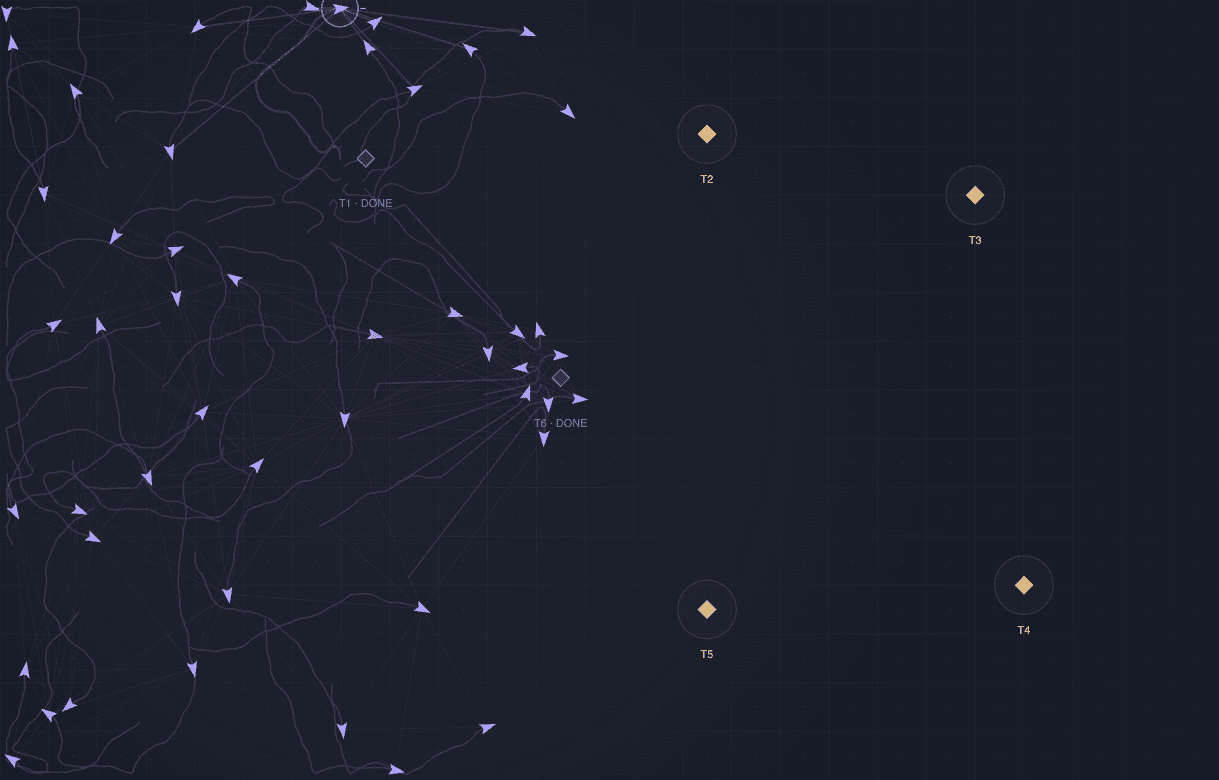
ECITON-R is developing hardware and software to help robot teams communicate and coordinate under limited connectivity. Swarm Lab makes those choices visible: what each robot knows, what it hears from others, and why it picks its next job.
What we’re working on
Imagine a team inspecting a building. One robot finds a job behind a doorway, while another hasn’t seen that part of the floor. Sharing the discovery could save a search, but sending every observation would use bandwidth, battery and computing time. ECITON-R studies which information is useful enough to pass on.
The aim is a team that can divide work from local knowledge, cope with delayed or missing messages, and replace a coordinator when it goes offline. A coordinator is a temporary organizing role, with rules for its election and replacement.
In Swarm Lab today
You can follow a robot’s known tasks, received reports and last reported peer positions. Scenes include task claims, message sharing and temporary coordinators. In the new Map exploration scene, one rover discovers walls, remembers its own map and plans routes through observed free space.
That rover experiment assumes an accurate position. Sharing obstacle maps and estimating position through SLAM are still future work.
The direction
We’re connecting more of each robot’s decision code to its local evidence and working toward a complete inspection mission: explore, inspect, return for service, and resume. Recorded comparisons will help us test different sharing rules under the same conditions.
Training decision rules in simulation and building a physical ECITON-R Node come later. The Node would connect to a supported robot above its existing navigation and safety systems. Today’s movement, radio and energy are simulation models.
Latest updates
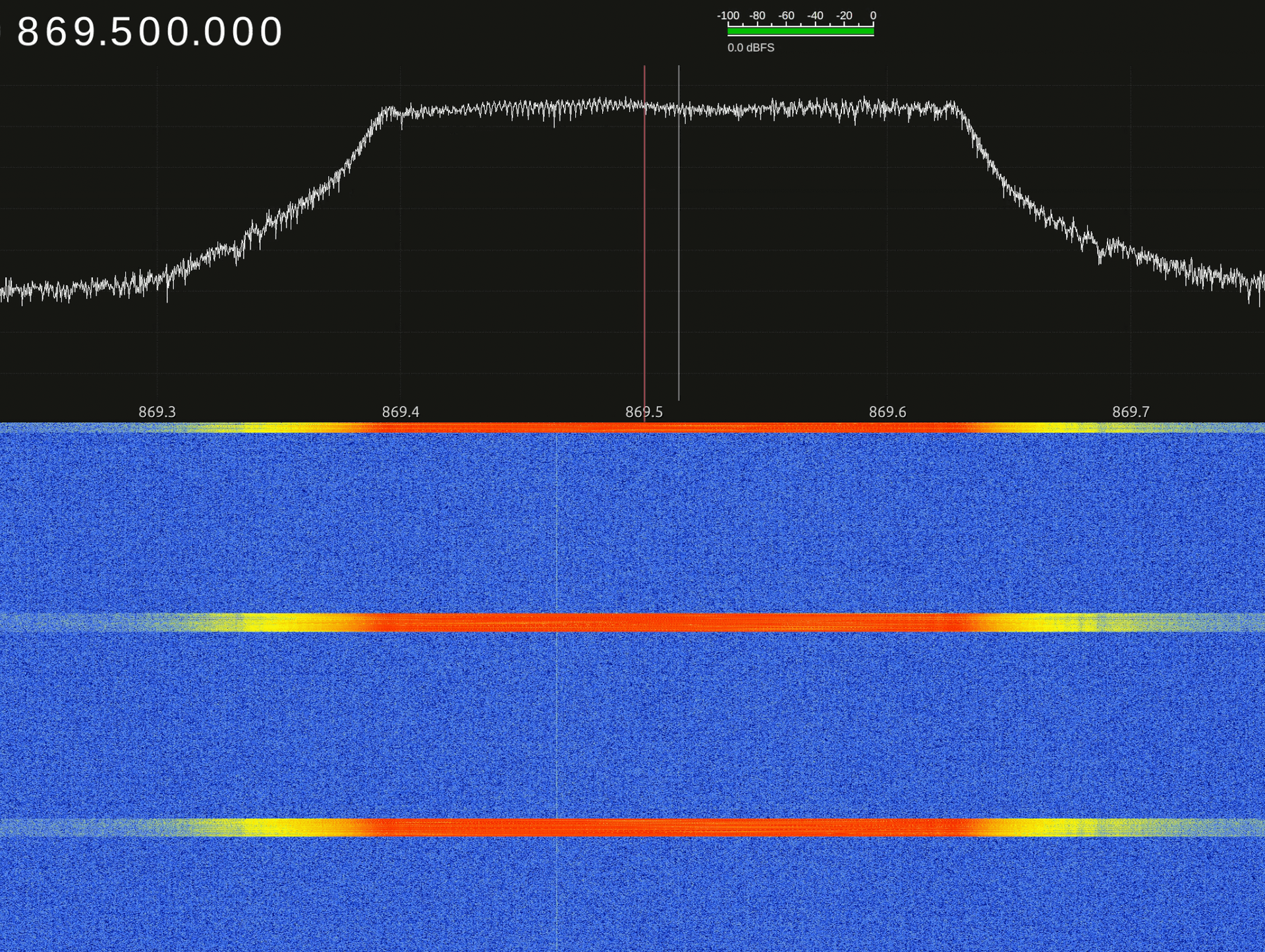
Long range, few words: testing LoRa for robot teams
LoRa trades speed for reach and noise tolerance. We're exploring whether that trade fits the small, useful messages robot teams need to share.
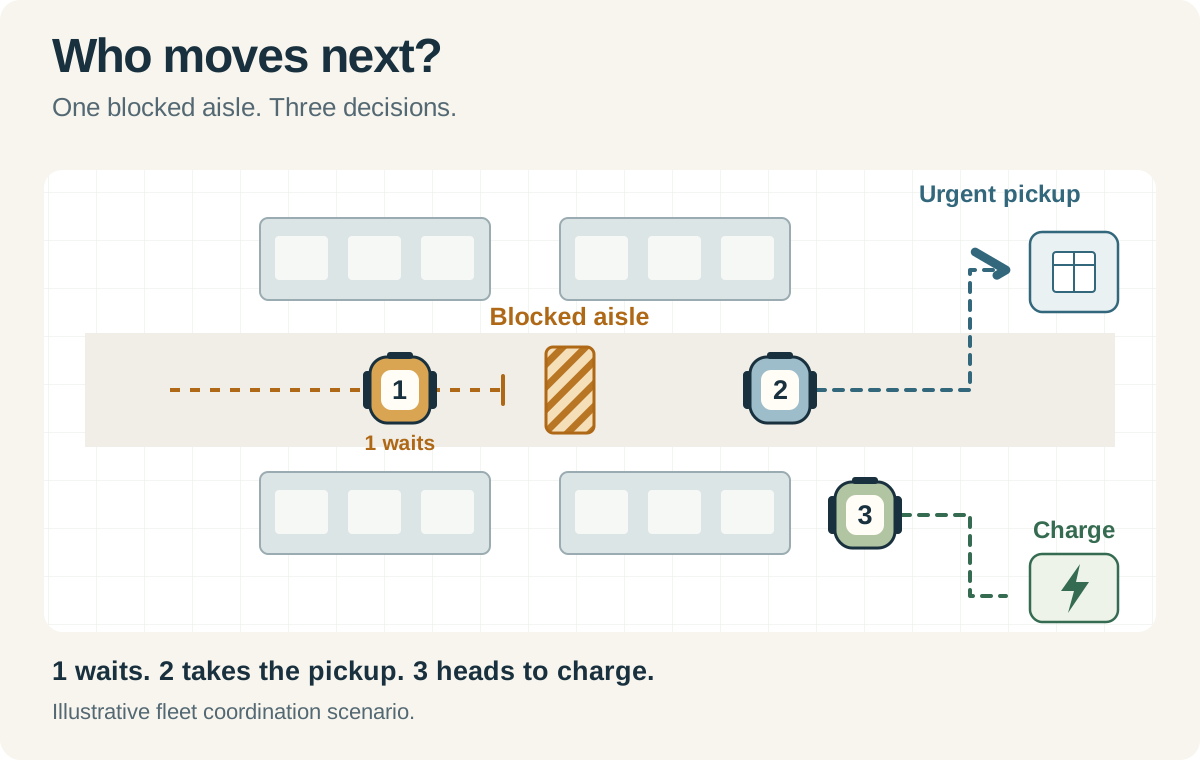
Scaling autonomous robot fleets
More robots bring more shared decisions. How should a fleet decide who moves next?
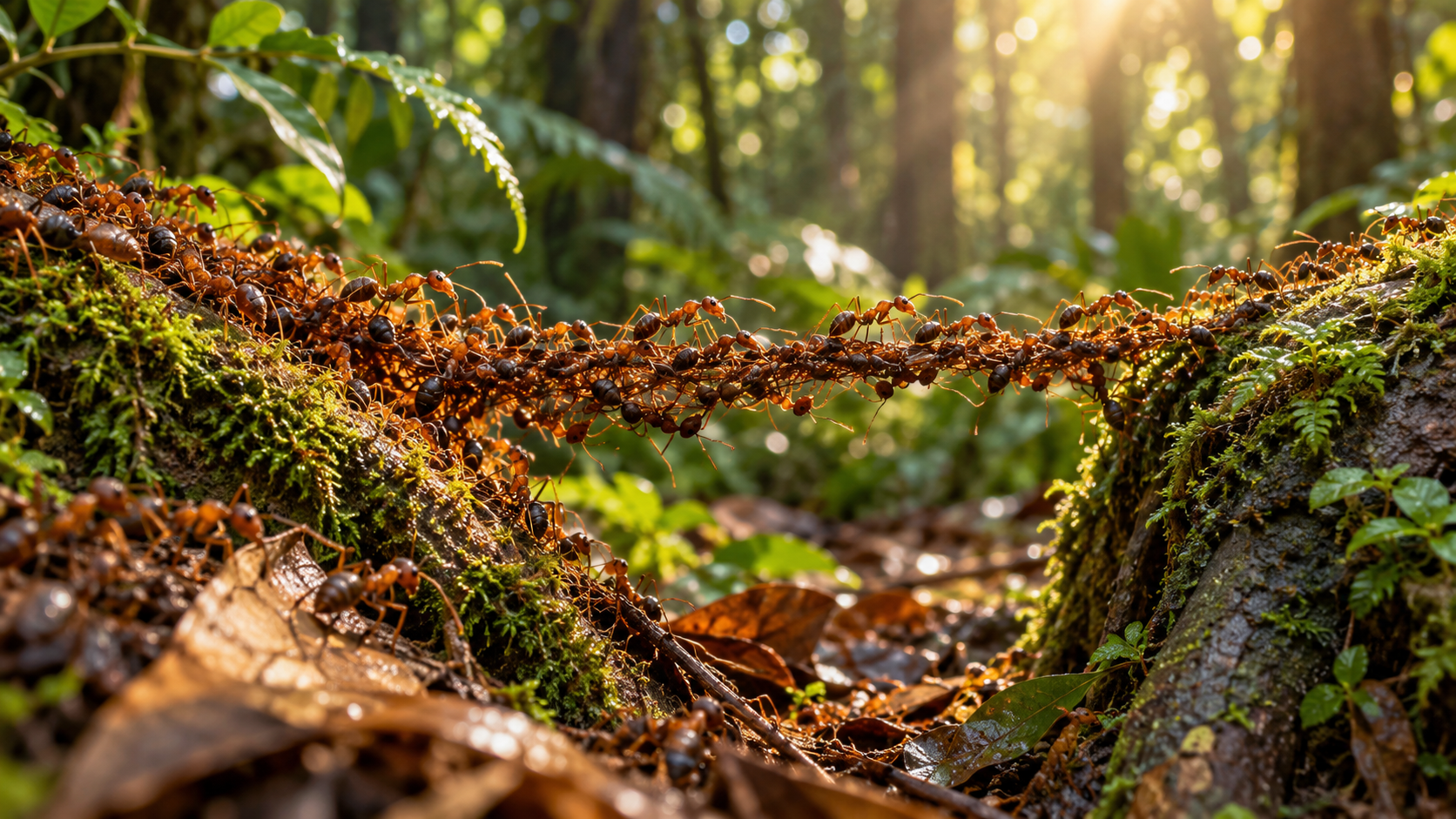
What Robots Can Learn from Ants
How local rules help ants coordinate—and how we’re building hardware and software to bring that principle to robot fleets.
Follow the project
Occasional emails about new experiments, development notes, and Swarm Lab updates.